On average:
- 1–3 months to prepare documents
- 2–7 working days in Italy before the wedding
With proper planning, the process is smooth and efficient.



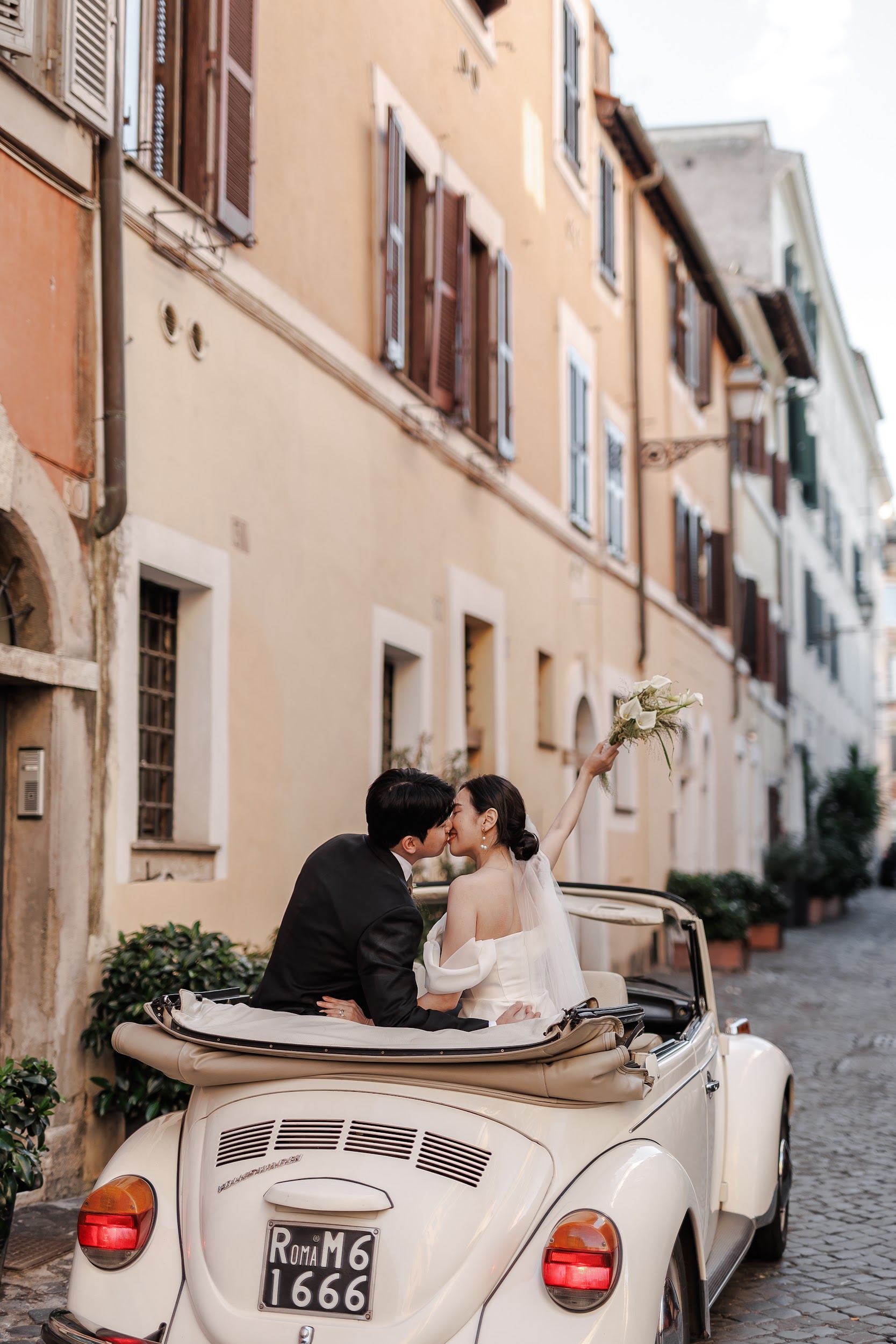
Italy stands among the most foreign-friendly destinations in Europe for a legal marriage — a rare combination of simplicity, elegance, and international recognition that draws discerning couples from around the world.
Unlike countries where bureaucracy overshadows the experience, Italy offers a refined and well-structured process, including:
Yet what truly defines a wedding in Italy goes far beyond legal ease — it is the atmosphere, the emotion, the sense of timeless beauty.
Here, a wedding is not merely an administrative step, but a moment that feels effortless, cinematic, and deeply personal.
Imagine saying “I do”:
This is why couples don’t simply choose Italy — they fall in love with it.
Since 2016, our Italy-based team has guided international couples through every legal and logistical detail, ensuring a seamless, discreet, and fully compliant process — allowing you to focus entirely on the experience itself.
Yes — foreigners can legally marry in Italy, even without residency. The country offers a refined and accessible legal framework, making it one of the most attractive destinations for international couples.
There are three types of wedding ceremonies available:
For most international couples, a civil wedding in Italy remains the most straightforward and reliable option, combining legal certainty with the elegance and charm the country is known for.
These conditions must be formally confirmed through official documents issued in your home country, which will be reviewed and accepted by the Italian authorities prior to the ceremony.
The Nulla Osta is the key document confirming that there are no legal obstacles to your marriage under your national law.
This is also the stage where many couples feel uncertain — and where professional guidance can significantly simplify the process, saving both time and unnecessary stress.
Planning an elopement is less about scale and more about structure. It’s not about organizing a large event, but about creating a smooth and well-balanced experience.
1. Choose your location
Start with the region that best reflects your vision. Each destination in Italy creates a different atmosphere and sets the tone for the entire day.
2. Define your format
Whether it’s just the two of you or a small group, this decision shapes logistics, timing, and the overall flow of the experience.
3. Set a realistic budget
Having clear expectations from the beginning helps avoid unnecessary changes and allows for better planning overall.
4. Choose the right timing
Light, season, and crowd levels play a bigger role than most couples expect and can significantly affect the experience.
5. Work with local professionals
Local vendors help manage communication, permits, and timing, making the process smoother and more reliable.
6. Plan the flow of the day
An elopement is not just a ceremony — it’s a sequence of moments that should feel natural, relaxed, and well-paced.
Italy accepts many EU-issued documents without additional legalization, significantly reducing bureaucracy and allowing for a smoother planning experience.
In most cases, you will need:
In many cases — no.
Under EU Regulation 2016/1191, public documents issued in one EU country are recognized in another without the need for an apostille.
However, individual municipalities (Comuni) in Italy may still request translations or additional verification depending on local administrative practices.
EU citizens typically obtain their documents from:
Examples:
This makes Italy one of the most accessible destinations in Europe for EU citizens planning a legal wedding abroad.
Expert Tip
Even though EU regulations simplify the process, each Italian municipality (Comune) may apply slightly different requirements.
We recommend verifying documentation directly with the local authority, reviewing all paperwork in advance, and addressing potential issues early to avoid last-minute complications.
Recommended arrival: 5–7 working days before the wedding, allowing sufficient time to complete all legal formalities without pressure.
Recommended arrival: 1–3 working days before the wedding, ensuring sufficient time to complete the final legal steps in Italy.
Important
Canada does not issue a Nulla Osta, which means an alternative legal procedure is required.
Recommended arrival: 1–3 working days before the wedding, allowing sufficient time to complete all required legal formalities.
Recommended arrival: 5–7 working days before the wedding, ensuring sufficient time to complete all legal procedures in Italy.
Documents
Procedure
Costs
Civil Wedding
Catholic Wedding
Documents
Procedure
Documents
Important
Planning a legal wedding in Italy requires thoughtful preparation, allowing sufficient time to manage documentation and complete all legal formalities smoothly.
Popular locations such as Lake Como and Tuscany often require earlier booking due to high demand and limited availability.
Based on our experience organizing weddings across Italy, the following issues are the most frequent causes of delays:
These are the most common reasons why wedding timelines become delayed — all of which can be avoided with proper planning and professional guidance.
A legal wedding in Italy requires coordination across multiple institutions, each with its own procedures and requirements.
Without local expertise, the process can quickly become complex and time-consuming.
With the right team, it becomes seamless.
As a locally based wedding planning team operating in Rome and Lake Como, we:
Our role is not simply to organize a wedding — but to take full responsibility for the final result, ensuring every detail is handled with care, discretion, and expertise.
Absolutely.
You are not simply choosing a destination — you are choosing how your wedding will feel, and the story you will carry with you for years to come.
Italy offers a rare and refined combination of:
With the right preparation, your wedding in Italy will be not only legally valid — but truly unforgettable.
Yes. A civil marriage performed in Italy is internationally recognized. After the ceremony, you will receive an official marriage certificate, which can be translated and legalized (apostilled) if required.
Yes, foreigners can legally marry in Italy without residency. Civil marriages are legally binding and recognized worldwide, including in the US, UK, EU, and most other countries.
The Nulla Osta is a certificate confirming that there are no legal obstacles to your marriage.
Most foreign citizens need it (or an equivalent document), and it is one of the key requirements for a legal wedding in Italy.
Yes. Most couples need to arrive 2–7 working days before the ceremony to complete final legal steps.
Yes — if all documents are prepared correctly in advance.
With professional support, many couples arrive just a few days before the wedding.
It is not mandatory, but highly recommended.
A wedding planner helps:
This significantly reduces stress and risk.
Many couples choose symbolic ceremonies for more flexibility.
Costs depend on location and format:
Italy combines wedding + travel + honeymoon in one experience.
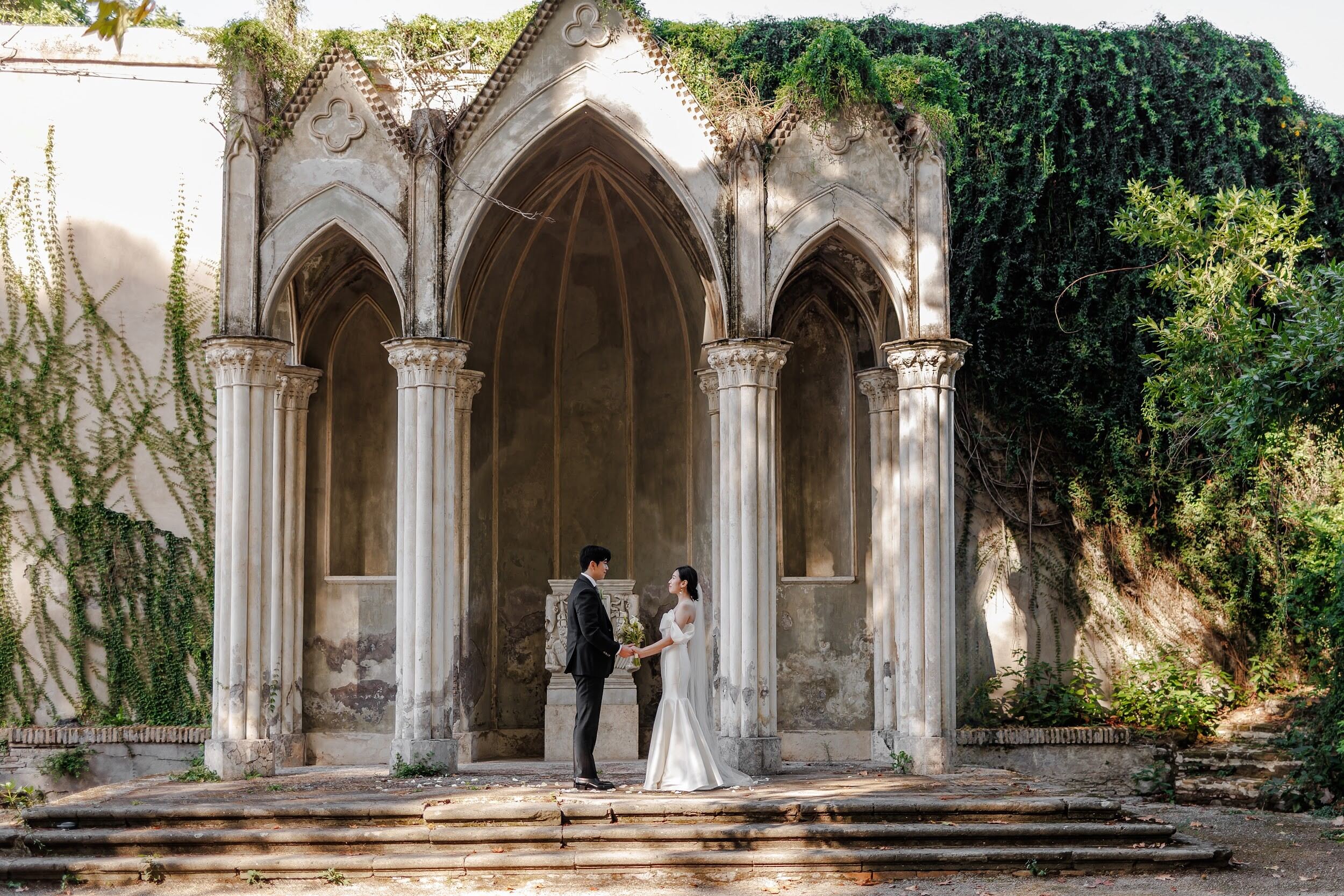
Planning a legal wedding abroad can feel overwhelming — especially when navigating documents, timelines, and local regulations.
This is exactly where we help.
As a wedding planning team based in Rome and Lake Como, working in Italy since 2016, we specialize in:
We don’t simply plan weddings — we take full responsibility for the final result, ensuring a seamless, refined, and truly memorable experience.
If you’re considering getting legally married in Italy, the best next step is a short consultation.
We will:
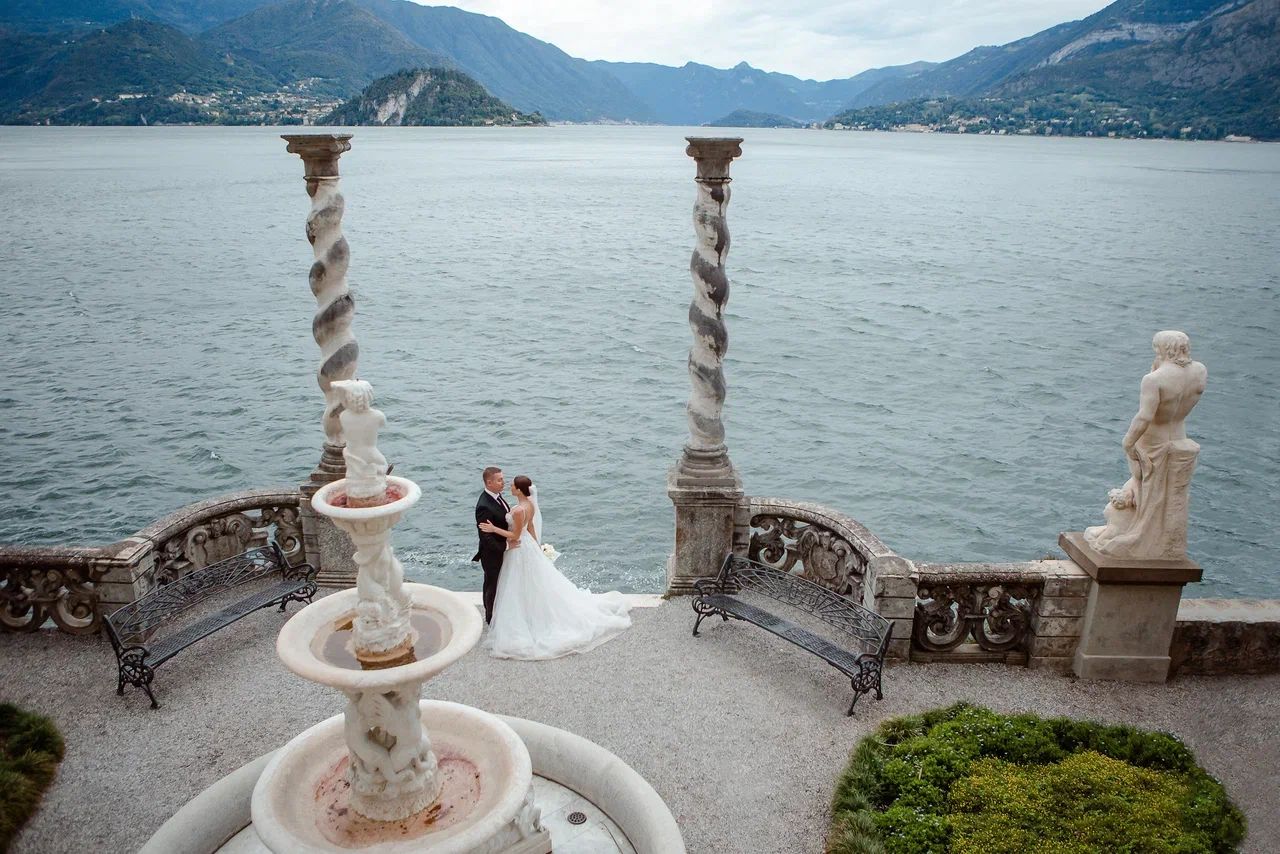
Let’s craft your perfect Italian dream together.

